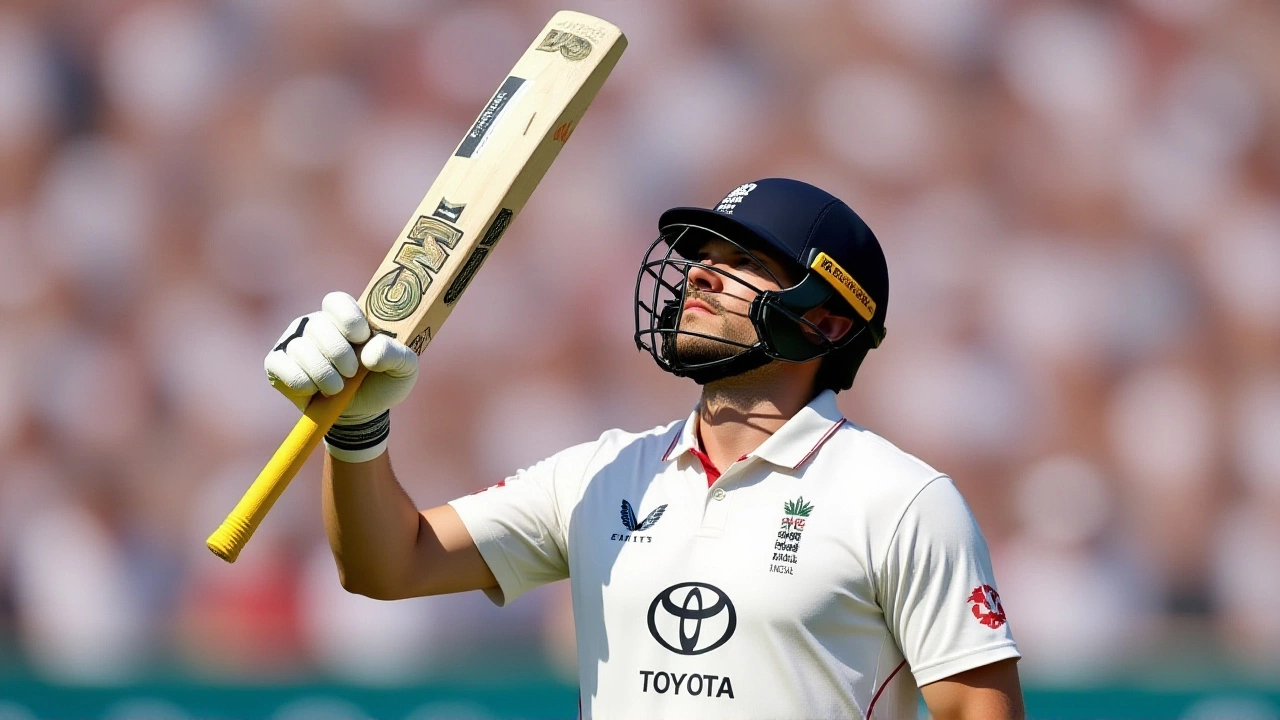
When Matthew Fisher, England lower-order batter, dug his heels in on a baking Friday afternoon at The Oval, he didn't just save face—he stole momentum. Facing a crushing deficit against New Zealand's relentless pace attack, the tail-ender refused to fold, anchoring a defiant last-wicket stand that left the home crowd buzzing and the visitors stunned.
It was day three of the second Test, June 19, 2026, and the air was thick with tension. England had collapsed to 238 for nine, looking every bit like they were about to concede a massive first-innings lead. But then came Fisher. Partnering with debutant Sonny Baker, he added 53 runs for the final wicket, taking England’s total to 291 all out. They still trailed by 100 runs, but the psychological shift was palpable. Here’s the thing: in Test cricket, saving an innings from collapse is often worth more than the runs themselves.
The Collapse and the Counter-Punch
Before Fisher’s resistance, things looked dire. New Zealand quick bowler Matt Henry had torn through England’s lower order like paper, claiming five wickets in the innings. He dismissed Jordan Cox, Jofra Archer, and Josh Tongue in rapid succession, leaving England reeling. The scoreboard read 238-9, a position where most teams would pack it in mentally. But Fisher wasn’t having it.
"Fisher dug deep," reported Reuters, noting how the tail-ender frustrated New Zealand’s bowling attack. His unbeaten half-century—sources vary slightly between 48 and 50 not out—was a masterclass in survival. He faced pressure after pressure, surviving deliveries that would have trapped lesser batters LBW or caught behind. The twist? This wasn’t just luck. It was calculated defiance. Every dot ball felt like a punch thrown at the Kiwi bowlers.
Baker, playing his first Test match, played the perfect supporting role. He faced 35 balls for just 4 runs, but his presence at the crease allowed Fisher to rotate strike and build the partnership. When Baker finally edged Kyle Jamieson to second slip five minutes before lunch, the innings ended—but the damage to New Zealand’s confidence was done. They had been denied an insurmountable lead.
New Zealand’s Dominance Remains Intact
Despite England’s gritty recovery, New Zealand remains firmly in control. Earlier in the match, Henry Nicholls had scored a century, building a substantial first-innings advantage. Sky Sports noted that Nicholls’ innings laid the foundation for a "huge" lead, which was further amplified by Matt Henry’s bowling brilliance. By the time England were bowled out, New Zealand held an overnight lead of 352 runs with seven wickets in hand—a mountain for England to climb in their second innings.
But wait, there’s more context. This isn’t the first time Matt Henry has dismantled England in this series. In a previous innings, he took 4 wickets for 48 runs as England were bowled out for just 143, giving New Zealand a 204-run lead. His ability to exploit seam and swing under pressure makes him a nightmare for English batters. As one analyst put it, "Henry doesn’t just take wickets; he breaks spirits."

What This Means for the Series
The broader impact of Fisher’s innings cannot be overstated. While New Zealand still holds a commanding position, England has avoided a humiliating defeat in their first innings. Cutting the deficit from 153 to 100 runs gives them a fighting chance if they can bat well in their second innings. It also sends a message to New Zealand: England won’t go quietly.
For fans watching from London, the atmosphere at The Oval was electric. The roar when Fisher reached his fifty was deafening, a reminder of why we love cricket—it’s unpredictable, emotional, and deeply human. Even in defeat, there’s beauty in the struggle. And right now, England is struggling beautifully.

Looking Ahead: Day Four and Beyond
As play resumes on day four, all eyes will be on England’s top order. Can they rebuild from 291? Or will New Zealand’s pacers, led by Henry and Jamieson, pick off the remaining wickets quickly? The pitch at The Oval traditionally offers some turn later in the match, which could favor New Zealand’s spinners if they come on. But if England can post a competitive second-innings total, they might force a draw—or even a shock victory.
Historically, matches at The Oval have seen dramatic comebacks. Remember the 2019 Ashes? England chased down impossible targets here. While this situation is different, the spirit of resilience is alive and well. For now, though, New Zealand sits comfortably ahead, thanks largely to Henry Nicholls’ century and Matt Henry’s five-wicket haul.
Frequently Asked Questions
Who is Matthew Fisher and why is his performance significant?
Matthew Fisher is an England lower-order batter known for his resilience rather than prolific scoring. His significance lies in his ability to anchor collapses. In this match, his unbeaten half-century prevented England from being bowled out for a paltry score, cutting New Zealand’s potential lead from over 150 runs to exactly 100. This display of grit kept England’s hopes alive in a match that seemed lost.
How did Matt Henry contribute to New Zealand’s dominance?
Matt Henry, a fast bowler for New Zealand, was instrumental in breaking England’s backbone. He claimed a five-wicket haul in the innings, including key dismissals of Jordan Cox, Jofra Archer, and Josh Tongue in quick succession. His ability to generate bounce and movement made him nearly unplayable, reducing England to 238-9 before Fisher’s intervention. His earlier figures of 4-48 in another innings highlight his consistent threat.
What is the current state of the match after day three?
After day three, England is 291 all out in their first innings, trailing New Zealand by 100 runs. However, New Zealand’s overall dominance is reflected in their overnight lead of 352 runs with seven wickets remaining in their first innings. This means England faces a steep challenge to avoid follow-on or defeat, needing a strong second-innings performance to stay in the contest.
Did Sonny Baker make a notable contribution despite his low score?
Yes, Sonny Baker’s contribution was crucial despite scoring only 4 runs. Batting at number 10 in his Test debut, he faced 35 deliveries, allowing Matthew Fisher to rotate strike and build the 53-run partnership. His patience and ability to survive under pressure provided the platform for Fisher’s heroics. Without Baker’s support, England’s total would likely have been significantly lower.
How does Henry Nicholls’ century impact the match dynamics?
Henry Nicholls’ century established a massive first-innings lead for New Zealand, putting immense pressure on England from the outset. His solid batting ensured that even after England’s fightback, New Zealand retained control. A century in Test cricket often shifts momentum decisively, and Nicholls’ innings meant England had to chase a large target while facing fresh bowling attacks, complicating their chances of recovery.